When I’m dying: A critique of phone addiction
By Lillian Huber
Lying in bed, my eyes are in pain
the time’s flown by, and nothing’s changed in my brain
countless minutes,
spent on my phone
nothing new I’ve gained to know
years passed; it feels like death, but something much worse has come to rest
I no longer am moving,
mainly mindless scrolling.
I hate myself for each and every moment,
the weight of dying to leave,
but never running away
like coal on my eyes
and needles made of lava, sticking in my brain,
the pain, the pain, the pain,
I hope one day my life will change,
but for now it has to stay the same
no way to leave
no way to run
I will never see the sun.
I will be left under this rock only to stop and watch my phone and the clock tik-tock
there it goes.
See you in a year
maybe two, but hopefully one day
probably not near
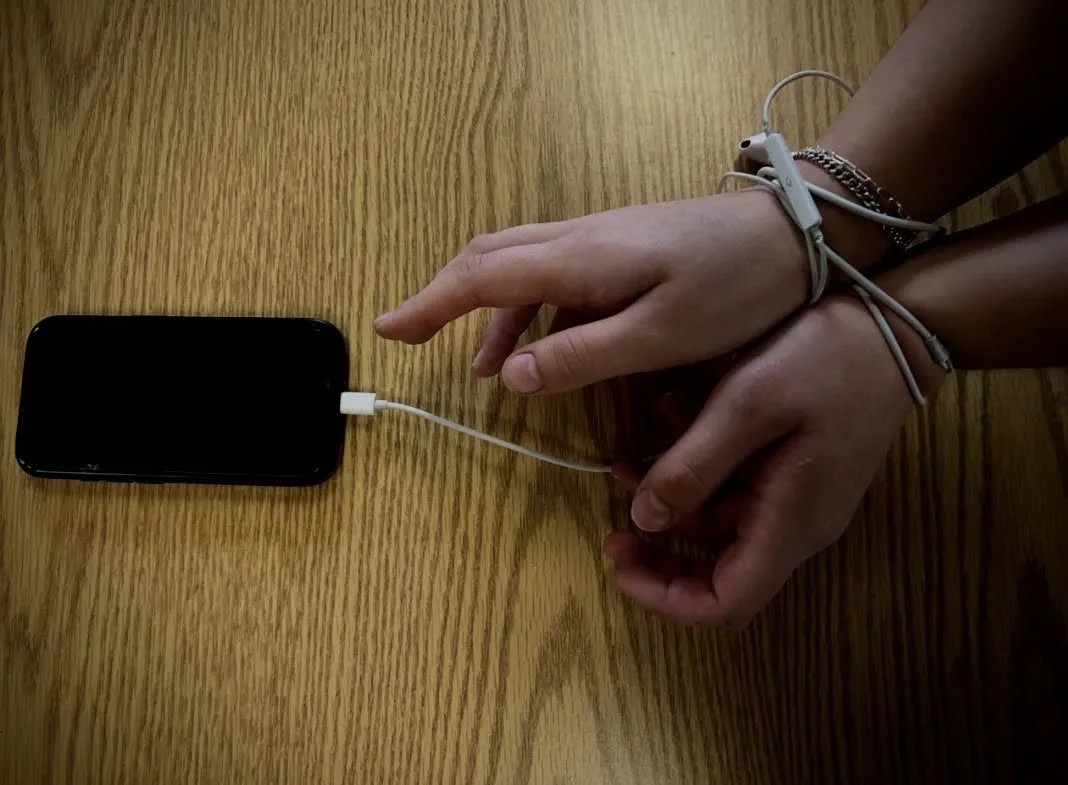
People of all ages are stuck in a cycle. A cycle where, every day, they wake up and immediately go to their phones, and then, all of a sudden, it is time to go to bed and start the cycle all over again. They have spent their day doing nothing of value but simply falling back into the now-known societal norm of being on electronics all day. The reason humans do this is that scrolling through Instagram or watching a funny TV show triggers a dopamine rush in the brain, which makes people feel good. This dopamine rush is very addictive and is the reason why it is so hard for many people to put their phones down or turn the TV off. It is why people stay up late scrolling through TikTok, even though they know in their brains that they just want to go to sleep.
From the article, “New Eyesafe Report Finds the Average Person Will Spend 21 Years of Their Life on Screens,” we can see that the average person will spend over 181,000 hours of their life looking at a screen, about 21 years of their life. This is not good for a person mentally or physically. Being on a screen this much can cause things such as poor posture, eye damage and depression.
Many people feel helpless and stuck. They feel they cannot change this routine of wasting their lives on a screen. But do not worry; there are resources that can help reduce screen time. Apps like Opal and Fluid Focus help people set limits on specific apps and set downtime during the day so they can’t use their phone at all. Although the idea of limiting electronics may seem painful, the overall value someone can gain from making this adjustment is tremendous.
Start regaining those 21 years today! You can do it! All that matters is that you start, and every day you take one more step toward being on your phone less. Whether it’s cutting out scrolling through reels while you're eating or simply making a bedtime for your phone where you have to power it off at the same time every night, every little adjustment makes a difference. Don’t worry if you mess up, because everyone does. All that matters is that you don’t give up and keep trying.