Special Release: Visual Arts Building slated for demolition within 5 years
By Ella Tracy and Sinead Quinn
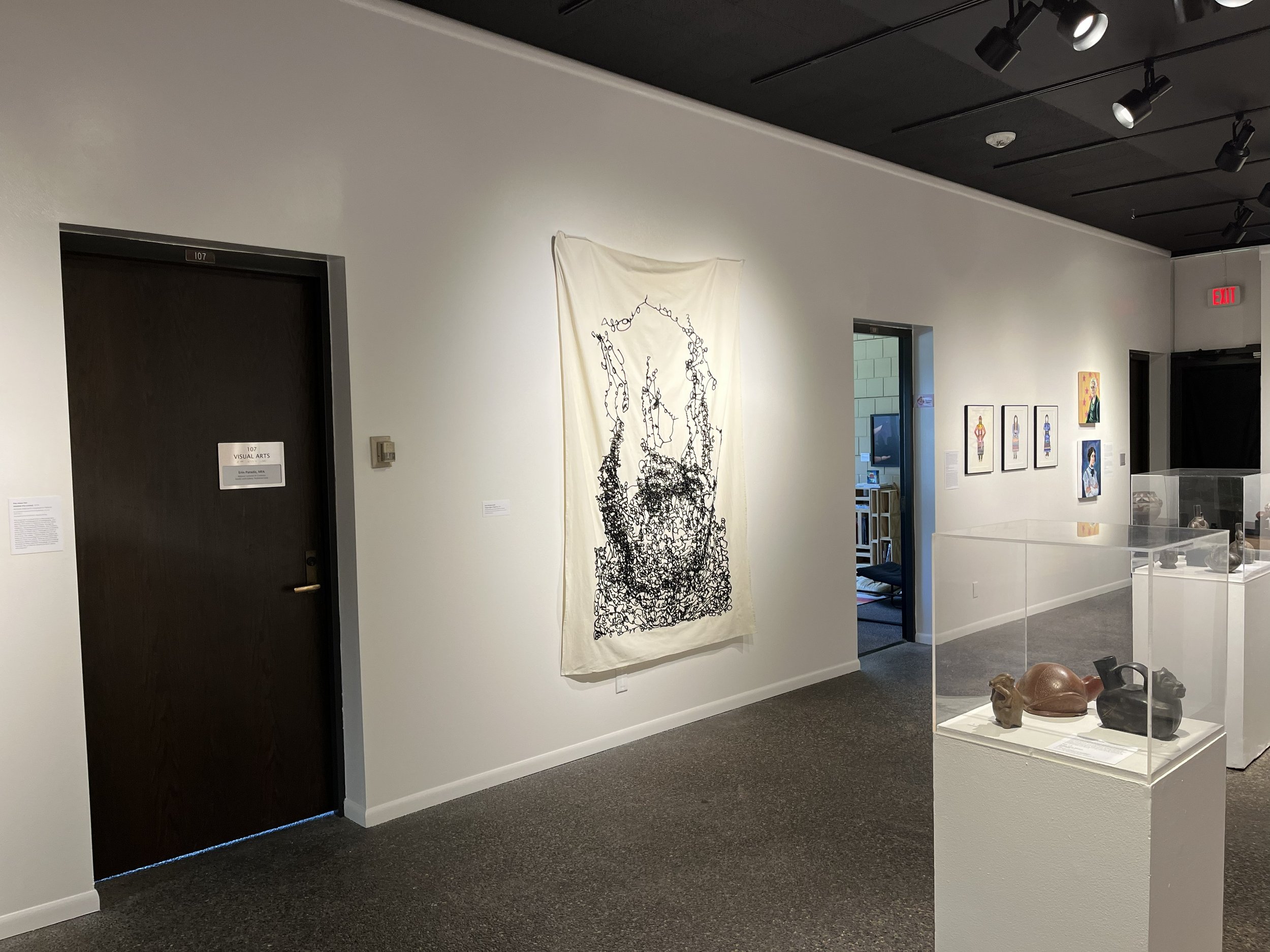
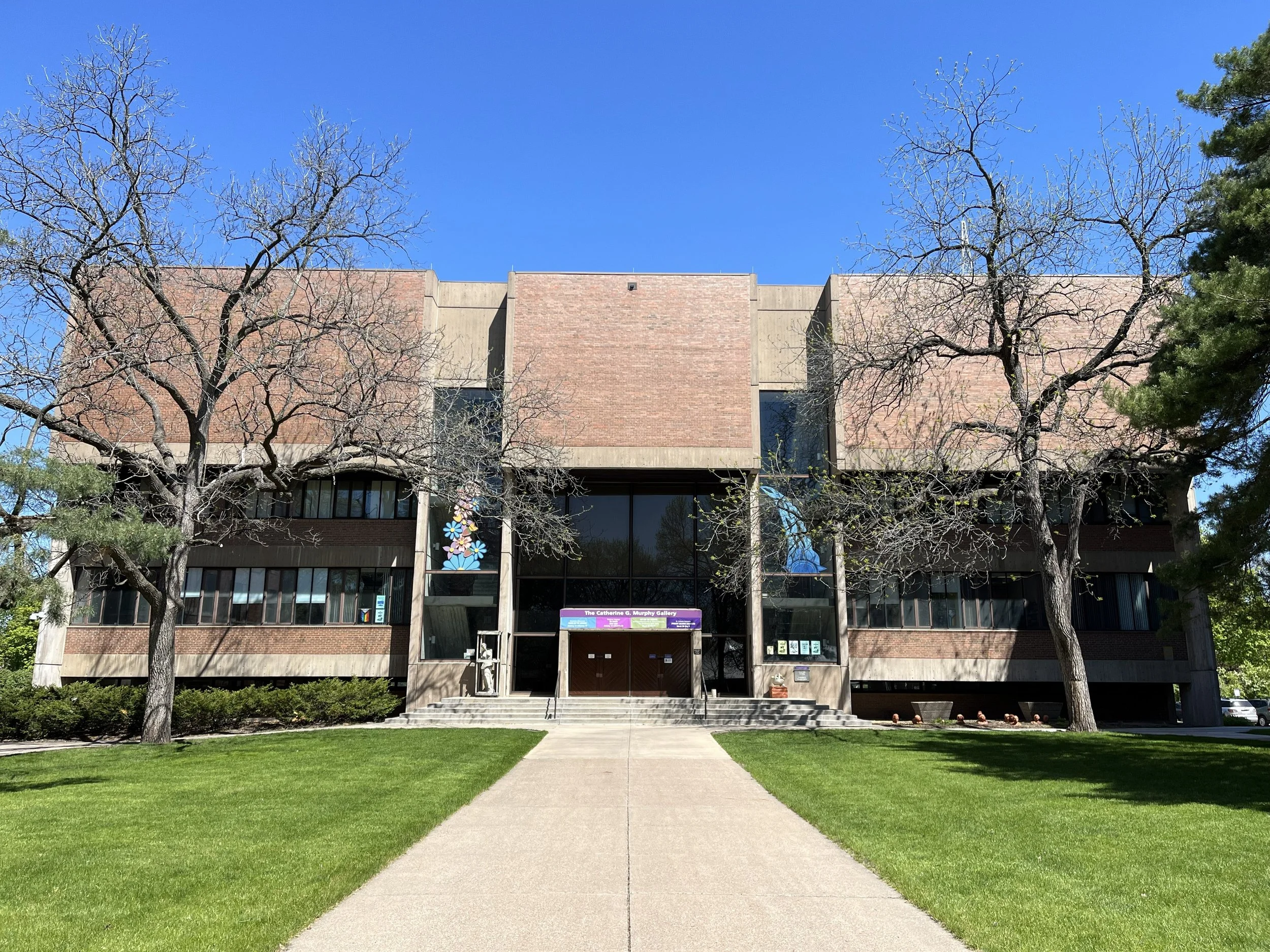
When only a few weeks remained in the school year, students and staff in the Art and Art History Department were told that the University is planning to demolish the Visual Arts Building (VAB) within the next 5 years. The decision to remove the VAB is based on the University’s Facilities Master Plan. Michael Hara, Senior Director of Purchasing, Contracts, & University Services, sits on the Master Plan Steering Committee and explained the plan as follows:
Last spring, St. Catherine University began work on a 25-year Facilities Master Plan, which included a thorough assessment of our existing spaces, including those spaces in adjoining properties. This plan began with four objectives in mind:
Know the current state of our physical space.
Understand how those spaces align to our needs both today and in the future.
Explore potential on-campus partnerships that could enhance the use of our space and strengthen our connections with our neighbors and program partners.
Create a common set of data points so we can objectively assess our facility needs in light of future strategic priorities, academic structure, and fundraising campaigns.
This process was led by a Steering Committee composed of academic and administrative leadership. The Committee also included a student member. Working with our architectural firm, we held more than 30 meetings with over 200 members of the University community to collect feedback and ideas on how to shape the Master Plan for our future needs.
The final recommendations in this plan included a set of short-term (1-5 years), mid-term (6-10 years) and long-term (10+ years) items. Removing the Visual Arts Building is one item on the short-term list.
The Master Plan has been approved in its entirety by the Board of Trustees, including removal of the VAB.
The Master Plan Steering Committee noted that “students, and their progress towards their degrees, are at the heart of each recommendation outlined in the Facilities Master Plan.” Furthermore, the Plan takes a long-term vision in order to “anticipate and meet the needs of our time” in order to maintain a campus that is “up-to-date so it meets the needs of students, faculty and staff into the future.”
Hara said that the VAB, built in 1970, has been showing signs of its age, “including severe leaking when it rains or when snow melts. We have explored what it would take to bring the building up to date and continue serving our campus community. The final recommendation, however, is to remove the building.”
“When evaluating the use of the Visual Arts Building, its design and structure limit how it can be repurposed. Compared to the Mendel Science Building’s design and construction, which was structurally sound and could be redesigned to serve the future needs of our students, it became clear that the strategic and responsible recommendation would be to remove the Visual Arts Building.”
Academics, archives, and galleries will be relocated
The Art and Art History Department, currently housed in the VAB, will need to be relocated to a different space. At this time, there is no established course of action for relocating the equipment and classroom spaces currently used by art students. The Committee stated their plans to “engage the users within [the Visual Arts Building] to understand how [they] can best meet [students’] physical space needs. Planned timing for further review is still to be determined.”
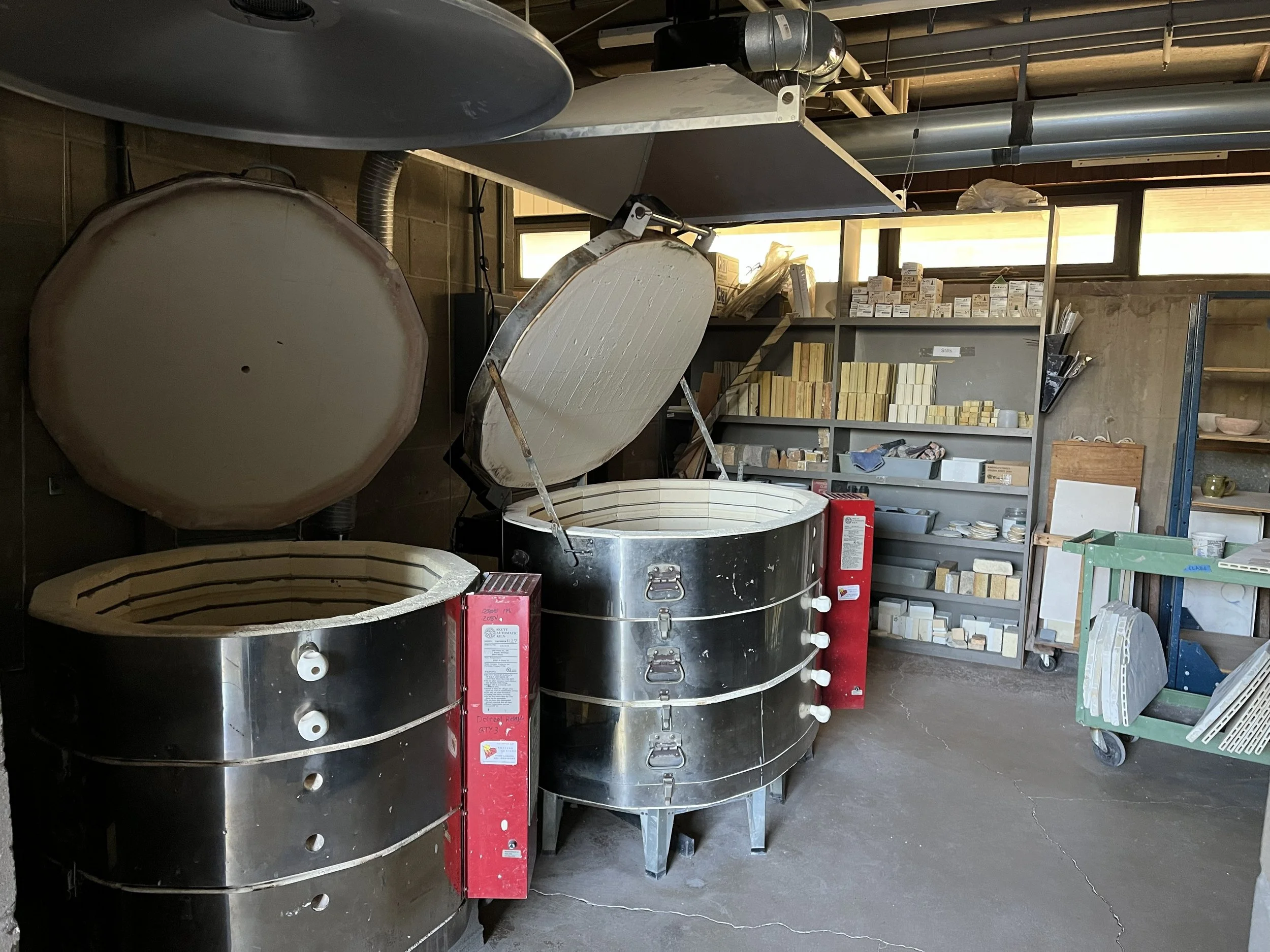
Relocating to other buildings on campus will prove extremely challenging. The equipment used for art programs, especially those for ceramics and screenprinting, require substantial equipment and ventilation facilities. The VAB was built with these requirements in mind. How other on-campus locations will be retrofitted to house the equipment is a significant concern of students.
The Catherine G. Murphy Gallery will also need to be moved. The Committee said engagement with the broader community will also occur in order to decide what to do with the Catherine G. Murphy Gallery. “The Gallery and its collection will be carefully and thoughtfully considered as we begin the planning process.”
Finally, the Visual Resources Library, which stores the Fine Art Collection on campus and facilitates the art loan program that provides art across campus will need a new home. The current maintenance of the collection requires a large amount of space and archival materials, which will need to be considered if the building is demolished.
Students and staff raised questions of belonging
Students and staff associated with the art department, however, have voiced concern regarding the decision and how it was assessed. The decision about the VAB is another notable occurrence of spatial reorganization on campus during the 2025-26 school year.
“One of the biggest reasons why we’re hearing about student spaces getting moved in the CdC is because there’s a need for classroom space, so to tear down an academic building that houses a lot of classroom space just doesn’t really make sense,” said Siinian Ephrem ‘27 (Sociology and Critical Studies of Race and Ethnicity). “I think there’s been a lack of transparency which is adding to the confusion amongst students and staff from what I’ve heard.”
Art and Art History Department Chair and Assistant Professor Bethany Rahn said, “It’s been concerning to just hear about this somewhat towards the end of the semester… I imagine it might change what classes we can offer and, in the direction of the art and art history department, what it might look like.” She also added that “without the building and not necessarily knowing where [the Art Department is] going are part of the struggles and the challenges.”
Gauging student impact yielded further concerns. “I’ve really found a home at the VAB. I’m a commuter, so I feel like I live here,” said Zoe Betts ‘29 (Visual Art), “This building facilitates the wide variety of classes I get the privilege to take… through all of the equipment, [and] all of the people that it houses, and having a dedicated space for all of it.”
Laney Schwartz ‘26 (Visual Art, Classics minor) said, “This building sort of was my St. Kate’s experience and life, and I feel like I’ll leave, and this won’t be here anymore, and my connection to St. Kate’s feels like it’ll be demolished with the building.”
“I’ve set up my home base at the VAB,” said Betts. “If I’m tossed up into the air and these classes that I’m majoring in are crammed into however many spaces can be found for them, I’ll feel really scattered and less grounded and less able to learn.”
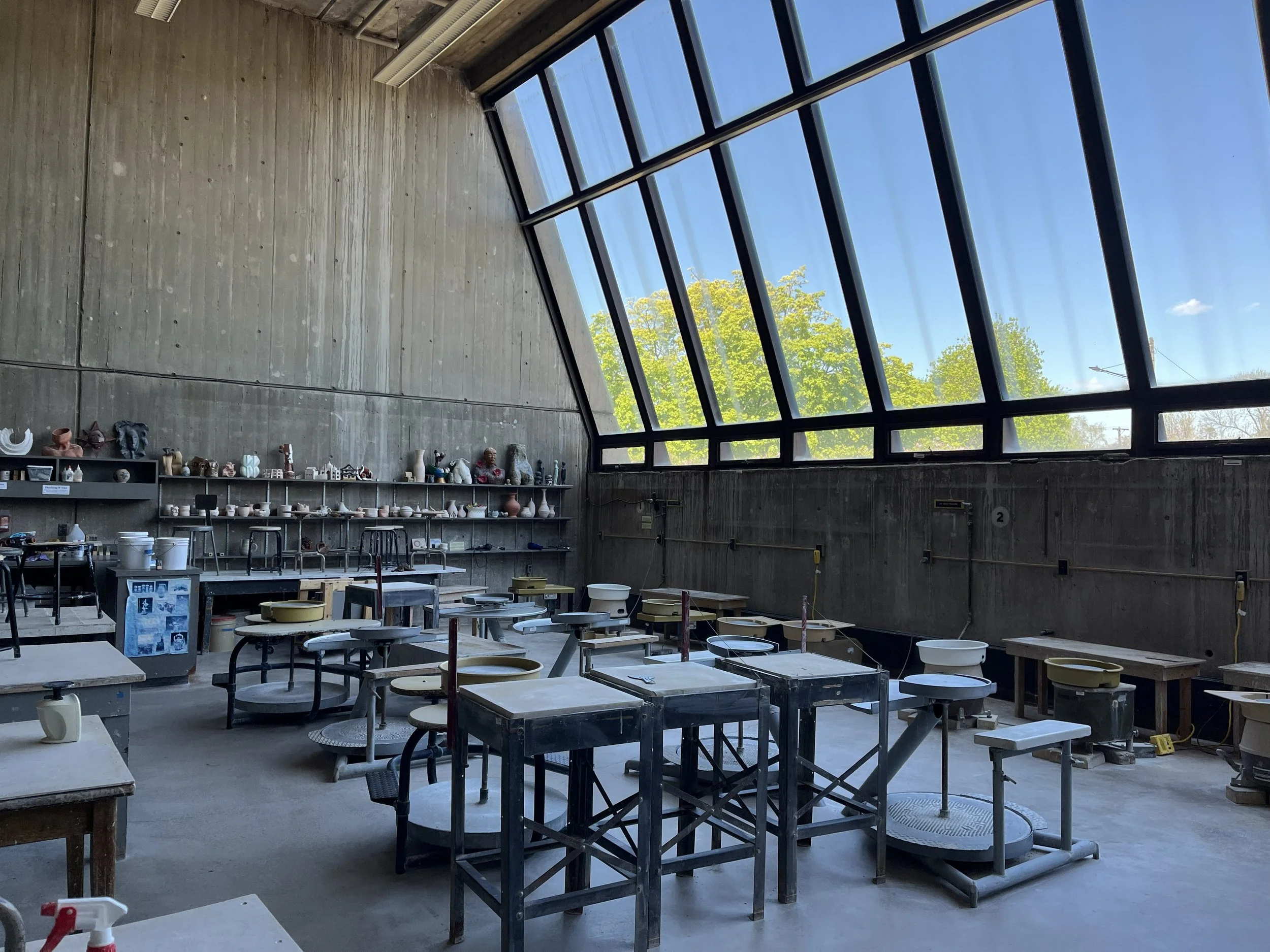
“[The VAB is] a hub for a lot of activity, including social justice-related activity,” explained Schwartz. Tearing the building down removes a building with a long history, but also one with student significance in the creative and activist spheres.
The demolition of the building impacts more than those majoring in art programs. “It doesn’t seem like there was a lot of understanding about what this building means to people, or the services it actually provides to the St. Kate’s community,” said Ephrem. “It’s concerning how St. Kate’s [administration] views the arts and how important the arts are to a community. I’m not even an art major, and I’ve taken an art class here every year since my freshman year, because it’s important to people. Even if it’s not their field of study, it’s still something that grounds people and something that builds new skills.”
Perception of the arts
Finally, we asked the Committee what such a dramatic change to an art-centric building says about the University’s views toward arts and humanities programs: “The Facilities Master Plan and its recommendations reflect our embrace and stewardship of St. Kate’s mission, vision, and values. The arts and humanities are very much present at St. Kate’s, and we do not see that changing. What the Facilities Master Plan does reflect is a thoughtful plan to make the most of this beautiful campus and ensure it continues to serve the next generation of students, faculty and staff.”