
Understanding the darkness doesn't mean defending it
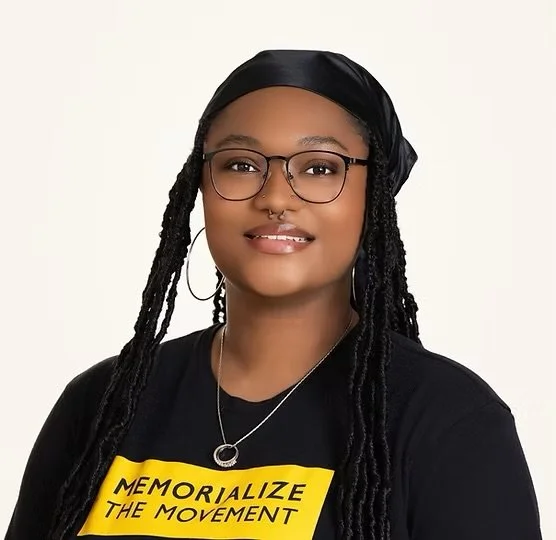
By Amirah Idris
When someone commits a horrific crime, our first reaction is often anger, disbelief or disgust. We question how someone could do something so disturbing, especially when innocent lives are involved. But whenever I hear about a serious criminal case, another question immediately comes to mind: What drove that person to do it?
It is a question that can easily be misunderstood.
Trying to understand why someone committed a crime doesn’t mean defending their actions, believing they are innocent or suggesting that their behavior was justified. There is a difference between understanding someone's actions and excusing them, and I believe that difference is often overlooked when discussing criminal psychology.
For as long as I can remember, I’ve wanted to pursue psychology. I was around four years old when I first became interested in the field, although I had no idea that criminal psychology was a career I could eventually explore.
As I grew older, I began to realize that traditional therapy might not be the right path for me. My goal had always been to help people, but I wanted to find a way to contribute that aligned with my own interests and strengths.
That is when criminal psychology began to stand out to me.
I became fascinated not simply by what people do, but by why they do it. What circumstances, experiences or patterns of thinking could lead someone to commit a crime? Could understanding those factors help prevent another tragedy?
These questions are part of what continues to draw me toward the field.
Understanding the person behind the crime
I believe human behavior is shaped by a combination of biological, psychological and environmental factors. Some individuals may have certain predispositions that influence their behavior, while others may be affected by the environments in which they grow up.
Consider a child raised in a household where substance misuse, financial instability or constant family conflict is part of everyday life. Experiences like these can affect a person's development and the way they understand the world around them.
However, experiencing childhood trauma doesn’t automatically mean someone will become a criminal. Many people grow up in difficult circumstances and never commit violent acts.
That is why I believe we need to recognize the difference between an explanation and an excuse.
Someone's childhood may help us understand certain patterns in their behavior, but it doesn’t automatically remove their responsibility for the choices they make. Accountability still matters, regardless of someone's background.
At the same time, ignoring the circumstances that contributed to someone's behavior may mean overlooking information that could help us understand how harmful patterns develop.
Are we too quick to judge?
I don't necessarily blame society for being quick to condemn people who commit terrible crimes. There are cases so disturbing that anger and disgust feel like the only reasonable reactions.
But I also wonder whether we sometimes form opinions before we fully understand the circumstances surrounding a case.
I have caught myself doing this, particularly on social media.
There was a time when I could see several people reposting the same story on TikTok and find myself agreeing with the popular opinion without researching the situation further. It was easy to follow the crowd rather than question whether I knew the full story.
As I became more interested in psychology, I started recognizing how important it is to look beyond the first headline.
Not every crime has the same motivation.
Someone stealing food because they cannot afford to feed their children is acting under very different circumstances from someone who deliberately harms another person for enjoyment. The actions, motivations and consequences are not interchangeable.
Understanding those differences doesn’t mean that every action becomes acceptable once we know the reason behind it. It means context matters.
When we immediately reduce someone to a label, we may stop asking questions that could help us better understand the behavior itself.
Punishment, rehabilitation and accountability
One of the most difficult questions surrounding criminal psychology is whether our justice system focuses too heavily on punishment and not enough on rehabilitation.
I don't believe there is one answer that applies to every situation.
Some crimes require serious consequences, and victims and their families deserve justice. There are also situations where people may feel that the punishment imposed does not reflect the severity of the harm caused.
But I also believe we should ask whether punishment alone is always enough to reduce the likelihood of future crimes.
For many incarcerated individuals, prison is not permanent. Eventually, they may return to their communities.
If we focus exclusively on punishment without considering the factors that contributed to their behavior, have we done everything possible to reduce the risk of another person being harmed?
This is where psychological research, assessment and appropriate treatment can become important.
Criminal and forensic psychologists may study behavioral patterns, assess psychological functioning, contribute expertise to legal proceedings or provide treatment in correctional settings. Their responsibilities vary, but their work can offer valuable insight into criminal behavior and the factors associated with reoffending.
Of course, psychology can’t explain every crime or guarantee that someone will never commit another offense.
But that doesn’t make the effort meaningless.
I also believe we need to remember the people who have suffered because of these crimes. Victims and their families deserve support, safety and opportunities to recover from trauma.
Understanding an offender should never mean overlooking the people they harmed.
To me, supporting victims and addressing factors that contribute to criminal behavior are not mutually exclusive goals. Both can be important parts of creating safer communities.
Understanding is only the beginning
If there is one thing I hope people understand about criminal psychology, it is that studying someone's behavior doesn’t automatically mean taking their side.
A psychologist trying to understand why someone committed a crime is not necessarily trying to prove that the person was justified in doing so.
Understanding behavior can be part of developing better interventions, improving risk assessments and identifying factors that may contribute to future harm.
But I also believe there is something equally important that we need to consider.
Recognizing patterns means very little if we never act on what we learn.
We can study criminal behavior, identify recurring risk factors and conduct research for years. But if that knowledge never contributes to meaningful changes in how we approach prevention, treatment or public safety, how much progress have we truly made?
Research should help inform action.
That could mean developing more effective rehabilitation programs, improving access to appropriate mental health services, supporting early intervention or using reliable evidence to guide public policy.
As a psychology student at St. Catherine University, I hope to someday contribute to work involving criminal behavior, law enforcement and the legal system. Whether that means examining patterns across cases, conducting research or helping develop approaches to reduce future harm, I want my work to make a difference.
My interest in criminal psychology has never been about defending the person responsible for a terrible act. It is about understanding what brought them to that point and whether that knowledge could help prevent someone else from reaching it.
We can’t undo the tragedies that have already happened. We can’t guarantee that every future crime will be prevented.
But we can continue asking questions, studying behavior and using what we learn to make meaningful changes.
Because understanding why something happened is important.
Making sure we use that understanding to help prevent it from happening again is what truly matters.